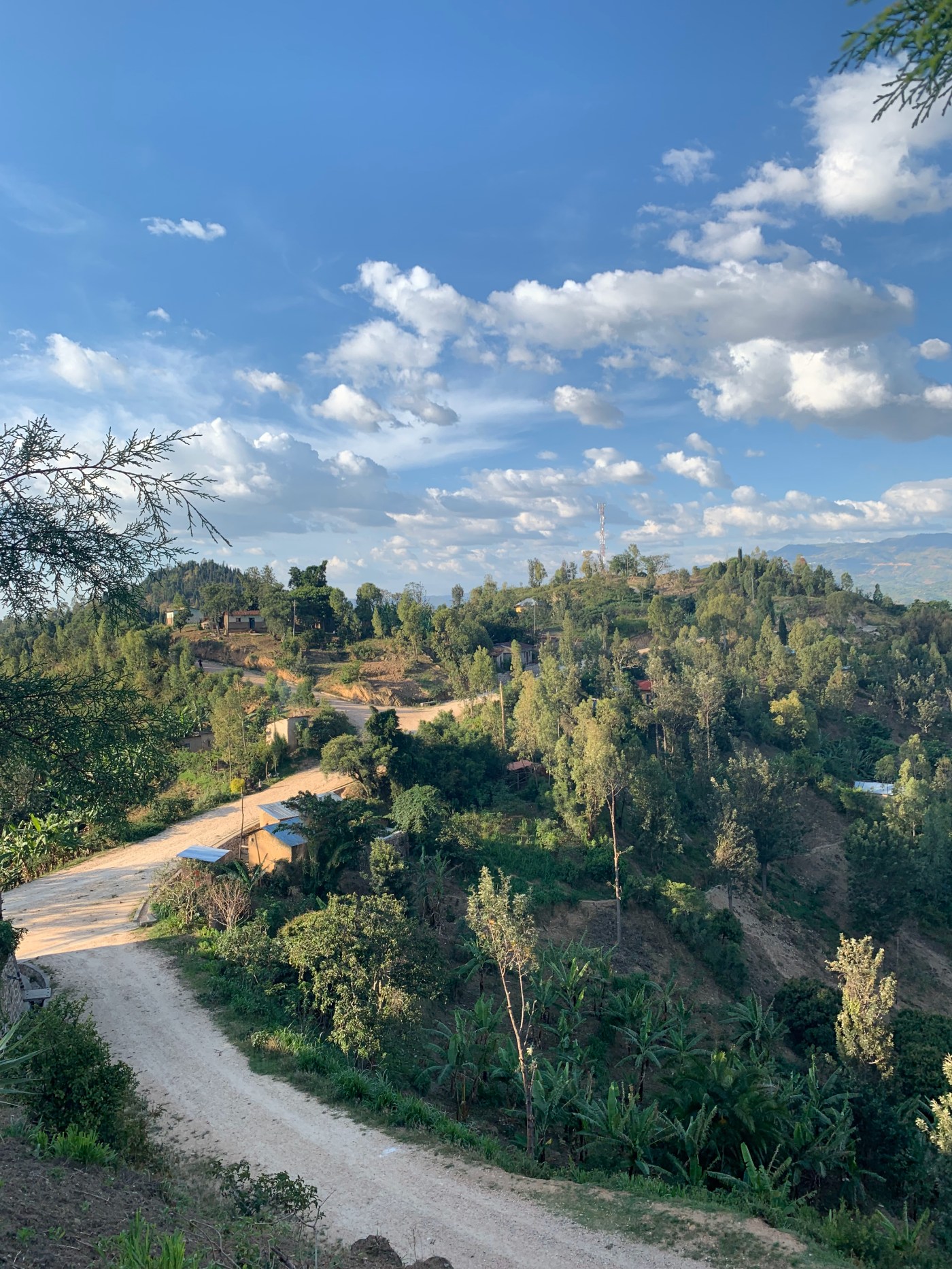
Hello! Its been a bit, but I hope you are doing well. Last I left you, I was recovering from illness. Well, I recovered. And then got sick again. And then recovered. And Ive been quite steady for the past few days. So no need for alarm! Just a minor casualty of the job. If it’s ever time to worry, I promise I’ll let you know. But right now, I am truly doing okay.
Over the past few weeks, I’ve been getting questions along a few common threads. Through inquiries either directly from you all or routed through my mom, I realize I have neglected some of the simple basics-of-life questions. And if you have never been to this part of the world and have only been able to rely on common media tropes, I can understand why those questions come up. So Im going to take some time to tackle two of those now. And then I would love to tell you about a trip I took last weekend.
(1) How Do You Eat?
Well, like in the US, there are three main ways of acquiring food. You make it, you go to a restaurant or you order out. Those are all very viable options here. Lets unpack them in turn
(1) Making things. I find that I have had to adjust my cooking habits in quite a positive direction. Canned, jarred, and frozen items are more expensive here. So I tend to make everything myself and have gotten used to creative substitutions. From hummus to tomato sauce, falafel, basically anything I would buy pre-made at Wegmans, I now whip up with the help of a rather plucky little blender and temperamental, albeit effective, gas stove. The only thing I am still getting used to is lighting the burners with a match. You know, sometimes it just doesn’t feel all that natural to stick your arm into the oven with a match to initiate a mini-explosion for the sake of my roasted eggplant. Given the scarceness of butter here, I have learned a bit more about baking chemistry than I expected – I now know that the ever-plentiful avocado is but another quality fat-substitute if you give it a whirl in the blender first. Not to mention, I can save about any baking disaster with a nice soak in freshly scooped passionfruit pulp.
There are a few ways of getting groceries ranging in expense and variety of selection. There are supermarkets – think the equivalent of a small Giant, Kroger, or Publics – that have some produce and are the main source of imported items. If you need something like rice or toilet paper, you can head to Simba. There is one in the bottom of the building where I have my office. They also have quite a nice bakery where I, all too frequently, purchase samosa (think large, fried wonton stuffed with spiced peas and potatoes) and chapti (a type of flatbread). Produce from Simba is not always the freshest and can be double the price of other places. So I rarely purchase anything fresh there. But it is my main supplier of coconut milk and its tahini fuels my new-found hummus making habit. The second type of place I frequent are small international shops – there are a few Indian markets that have all of my favorite spices, lentils and chickpeas (again, the hummus). Patel’s and Sharma Supermarket are great, although definitely not one-stop shops. So I also frequent a combination of large produce markets and local side-of-the-road shops. The produce markets, like the one in Kimironko – one of the cities’ neighborhoods – have pretty much everything you could want from potatoes to fruits to beans and rice. They even sell clothes there. Last year, I wrote in depth about my first experience with Kimironko market. Now that it is part of my regular shopping routine, I am not sure it holds the same spell for me. But hopefully though that narrative, you can get a sense of its magic. The side-of-the-road shops are perhaps the most convenient places for me to purchase things. There are a few women I know now who have stands on one of my main routes to my research home-base. But that selection is pretty limited to avocadoes, eggplant, and bananas. Although that is okay! As I’ve learned, there is quite a bit you can do with those three things.
The final method of cooking-supplies acquisition is through the ever-convenient app known as Jumia Food that has taken Eastern Africa by storm. I will explain more in detail, but basically, you can get your groceries delivered to your door in a brown-paper bag on the back of a motorcycle within 45 minutes of ordering for only a little bit above market price. The only downside is that you do not get to pick what you receive. So sometimes the eggplant are alittle smaller than what I would haggle for or the avocados need to be used that day instead of having a bit longer shelf life. But in a pinch, Jumia produce is quite a dream.
(2) Going to a Restaurant: Like with any capital city, there are major varieties in food available. Although, I can definitely try to make a few generalizations here. Rwanda does not allow the operation of traditional fast food places. So, while KFC has become a staple in Uganda, you will not find any typical American neon signs around Kigali. Instead, we have things like NowNow Rolex which features the Rolex – a quickly-made omelet wrapped in chapati, a classic East African street food that I am a-bit too enamored with – and Mezze Fresh, the Rwandan equivalent of Chipotle that, if you ask me, actually does a darn good burrito! And remember, avocado is to Rwanda what peaches are to Georgia, so unlike Chipotle, the guac is plentiful and free.
If you want either classic Rwandan food or a sit-down experience, you are going to have to make a choice. Are you hungry now, or do you have 2.5 hours? That is an important question, because meals in sit-down restaurants are generally made to order start-to-finish. So you better hope you like the company you are out with! There are a few faster options – higher-end restaurants typically distinguish themselves with their service. Not to mention, the offerings are quite delicious. If you haven’t assumed at this point, food is important to me and I eat quite well. But if you need alot of food and you do not want to wait any time, there are also Rwandan buffets where everything is make beforehand and sitting there hot and ready-to-consume. The buffet is an experience in itself – you pay a dollar or two per plate, so people tend to approach them with the tactical planning of a structural engineer. It is not uncommon to see people walking away with a well-constructed three-layer tower of steaming, delicious carbs. Potatoes, matoke (a starchy, savory, banana-type dish), beans, dodo (a really bitter relative of spinach) and peanut-sauce feature strongly in these arrangements. Often they throw in a hearty soup and a cup of African tea.
(3) Ordering Out: Two words: Jumia Food. I am not quite sure how to describe it. It is more of a force than a business at this point. Its a bit scary how pervasive it is. Jumia makes a profit by linking customers to vendors through a user-friendly app and motorcycle delivery. Am I quite capable of making a lentil curry? Yes – I did it this evening, actually. Are there times when I want to sit on my porch and write my blog while Khana Kazana prepares my lentil curry and delivers it to me piping hot via motorcycle at very reasonable cost within 45 minutes of me pressing a button? Yes. Resoundingly. The even scarier part is that I subscribed myself to a 6-month membership of Jumia prime. Basically, I paid about $11 to get free Jumia delivery. Why is this scary? Because without the $1.50 delivery fee, there are few incentives keeping me from sliding into on-demand consumer culture. I am waiting for Jumia Prime to go the way of MoviePass – I have no clue how they sustain that business model. But hey, am I complaining? Sometimes a boy just really does not feel like haggling for his food – or, for that matter, really having any social interactions in between him and his lentil curry.
(2) How Do You Get Around?
Again, a few main ways. All with varying forms of safety and swiftness.
(1) My Own Two Feet: I’ve always been a walker. Which means I fit in pretty well with the environment here. Most people do not actually walk everywhere. One’s ability to arrive somewhere neat, put together, and not sweating is a bit tied to social class. So my insistence on putting my boots to good use does often get me a few stares in professional settings. But there are always plenty of people on the street, so I am not all that unusual on my jaunts around town. It takes me 25-30 minutes to get to the office where I coordinate my research from. Church is also about 30 minutes away. But to get to the Kimironko market I discussed earlier, it takes alittle more than an hour. So yes, 2-3 hours on my feet is not an unusual day in my life. It means I get to see alot of the city and drink in so many different experiences. I highly recommend taking the time to walk between distant points in the city to anyone who asks how I have gotten my bearings so well. But yes, I think it is safe to say I dont have a whole lot of trouble falling asleep at night. Rwanda is certainly not called the “Land of 1000 Hills” for nothing.
Disclaimer: For the next two entries on this list, I sincerely apologize to those who stay up at night concerned for my health and safety. I promise I understand the risks and make smart choices as much as feasible. But these are facts of my life.
(2) Moto-Taxis: In light of the above disclaimer, I will note that I limit my moto exposure to what would be walks of greater than 45 minutes, over routes I know, not in rush-hour traffic, coupled with either exhaustion, carrying many vegetables, or before important meetings where I should probably not show up dripping. But motos are these motorcycle drivers that zip around the city. They are almost like bees. They constantly honk to get your attention and you cannot walk anywhere without one pulling up next to you to offer a ride. In case you do want to head somewhere, if you know a bit of Kinyarwanda, you can call one over, negotiate a bit over the price, hop on the back, and speed off to your destination. If you don’t know Kinyarwanda, some combination of pointing and holding up fingers can help you get by. Its like Uber, except more convenient, cheaper, thrilling, and with the added risk of almost-certain injury if you get in an accident (sorry, mom). Of course, its socially unacceptable to hang-on koala style to the driver in front of you. So you either hold on to the back which usually has a handle. Or you just have exquisite balance. A good moto ride through rolling hills with late-afternoon 4pm sun is one of the most liberating feelings on earth. The views as you rush through are so exhilarating, as are the wind that tickle past. Also, by law, all moto drivers are required to hand you a helmet when you get on. Maybe that is a bit of comfort? Either way, it is one of the most common ways to get around the city and is just part of daily life for the average business-class Rwandan. So, in some ways, I do feel like it is another way for me to try to engage with living here. But on the other hand, maybe that is just a convenient excuse for me to continue getting cheap thrills on a weekly basis.
(3) Busses: Walking and the occasional moto are great, but they cannot take you out of the city. The bus network in Rwanda is pretty awesome. Busses leave once an hour from the Kigali bus stop to pretty much every other part of the country. Tickets range from $1-5, and it is super easy to head to the station, grab a ticket, and hop on. It is quite empowering actually to know that you can wake up one morning, jump on a bus, and end up in another part of the country without a hitch or much pre-planning. I added the disclaimer for the busses because sometimes they get into accidents on the extremely windy roads outside the city. Although I try to opt for the bigger busses over the smaller ones as they are known to keep you substantially more secure in case something goes wrong. Again, here, no need for panic. I promise I have a solid head on my shoulders and am invested in keeping it there. But I do also want to see the country, and busses are part of that adventure
So in light of that, I am going to close with a brief outline of a trip I took last weekend to Rwanda’s western edge of Kibuye on Lake Kivu. After last week being sick, I was exhausted and really needed a break. So I did some quick googling, found a lodge with some space on a cliff on the edge of lake kivu, through a tent in my bag, and caught a ride down to the bus station early Saturday morning. After a 3-hour bus ride, I made it into the lake-side city of Kibuye around noon. I stopped in for a quick bite to eat at the Rwandan buffet in the bus stop. It is not too usual for people of my demographic to frequent that sort of spot, so I got a friendly welcome along with some stares. But I have to say, it was the first place where I have enjoyed a preparation of Dodo (a bitter form of spinach), so major props. The women running it were so nice that I even stopped back on my return trip back to Kigali.
From the bus station, I hiked for about 30 minutes along the cliffs next to the lake and eventually found the camp I had scouted out on Google. They let me pitch my tent in exchange for a few dollars and I spent the rest of Saturday and all of Sunday reading two book on my Rwanda reading list (if you want to follow along on what Ive been reading, shoot me a message! Ive been chewing through the list I compiled for my time here). This time, I read Educated, a memoir about family and education by Tara Westover and a book my grandparents gave me before I left called Left to Tell by Rwandan Genocide survivor, Imaculeé Illabagiza. Both great books. Highly recommend. With noone to bother me all weekend, I had plenty of time to think critically about their implications and themes. If you have read them too, I would love to discuss how strikingly similar their commentary is on the value of telling history to reclaim distorted narratives.
The restorative powers of being immersed in a good book aside, I hiked back into town on Sunday afternoon, jumped on the bus, and made it back to Kigali by 5, just in time for our Fulbright family dinner. I will drop some photos below to give you a sense for what traveling and camping in Rwanda looks like. It is truly quite striking. And, for once, I made sure to take plenty of pictures to document my whole trip.
As always, please keep in touch. Send me questions too! I have so much I want to write about and not enough time to do it. But it does help me prioritize a bit if you let me know what you want to hear about. Until next time!
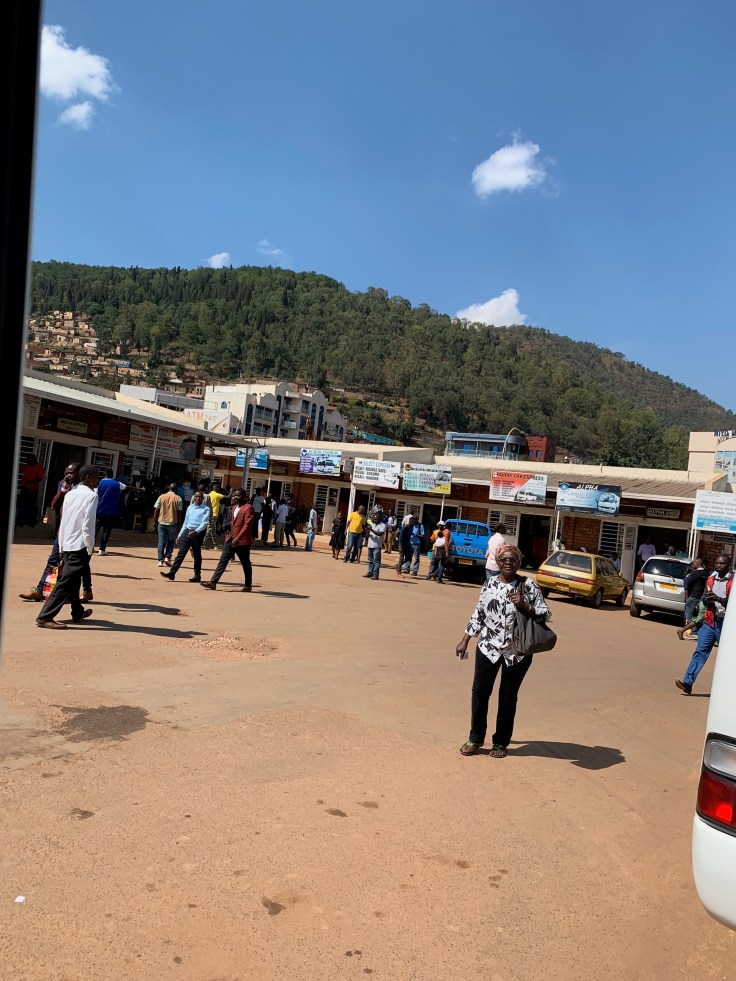
Kigali Bus Stop 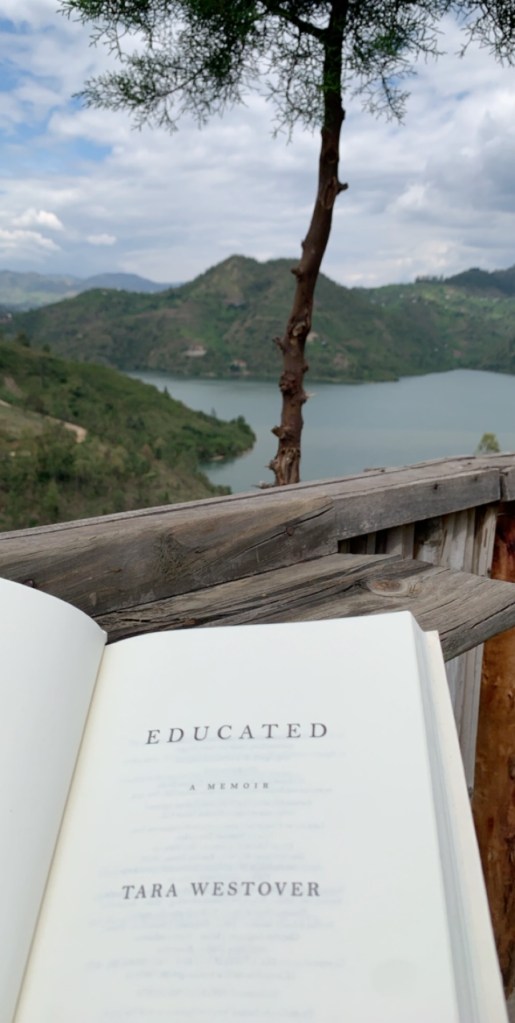
Reading by the Lake 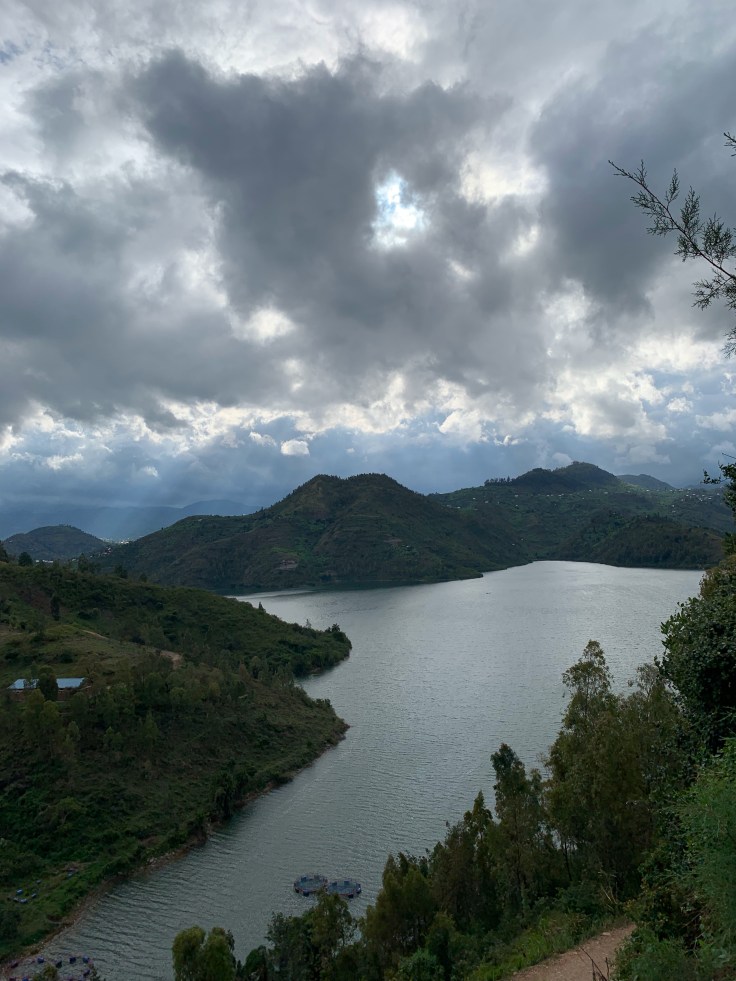
Lake Kivu 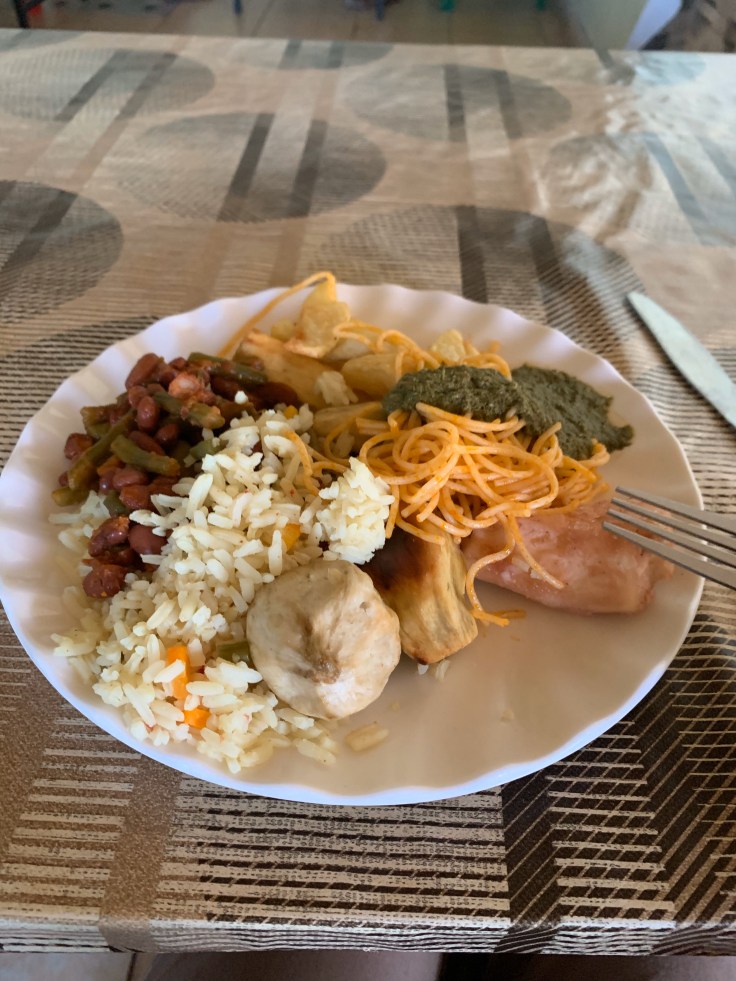
The buffet at the bus stop. Lots of warm carbs! 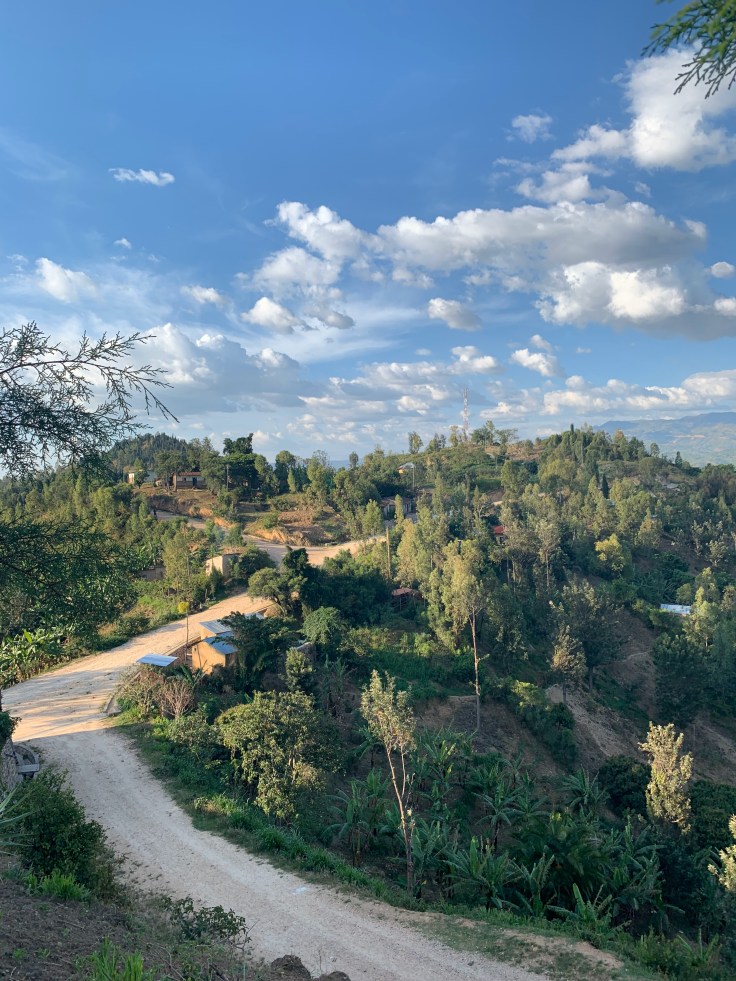
Hiking to my camp spot 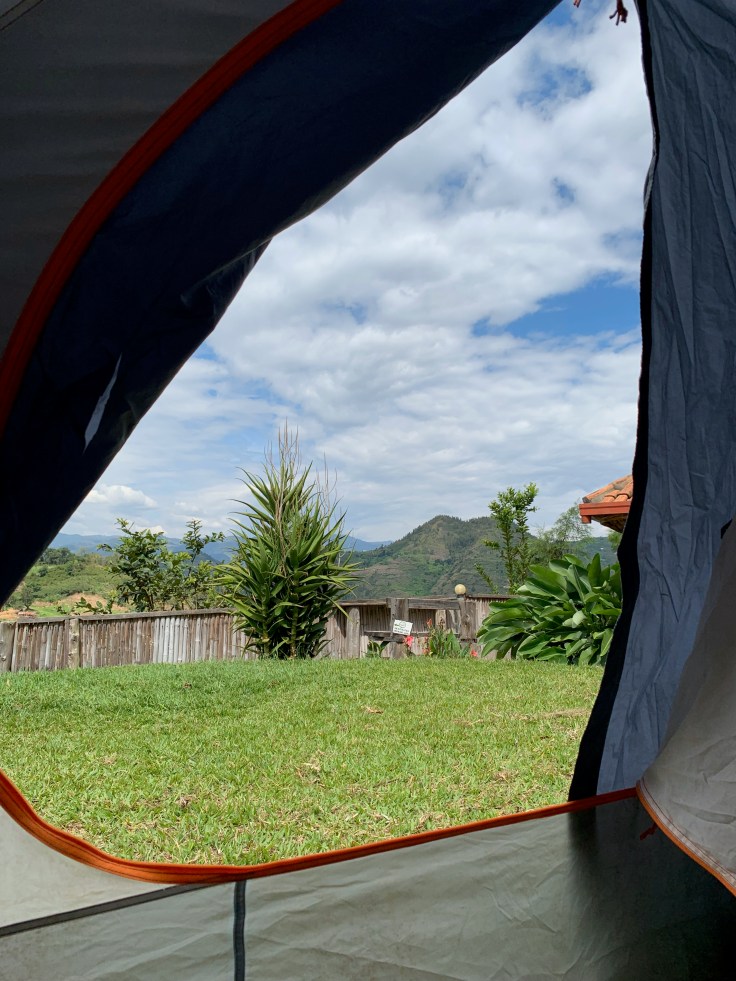
Tent Views 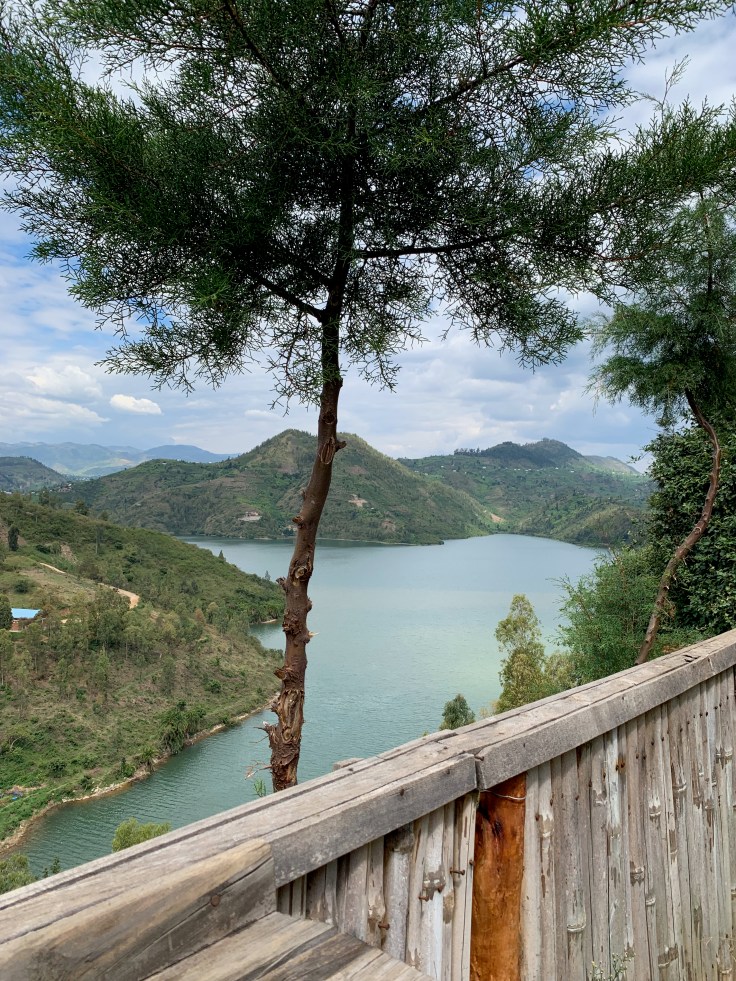
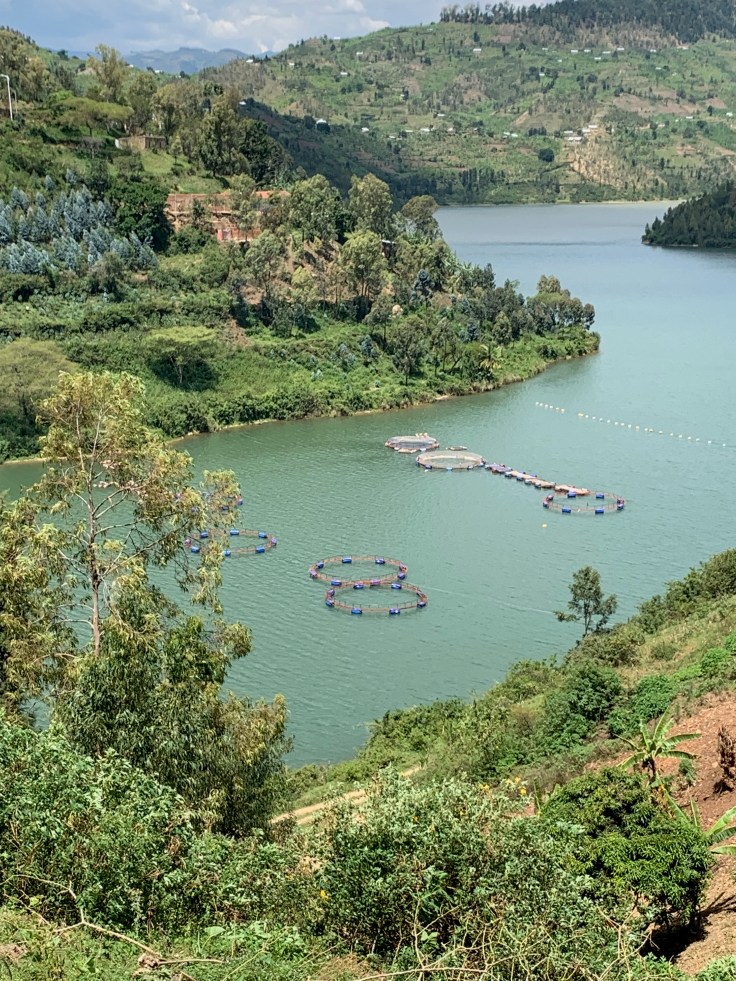
Fish Farms! 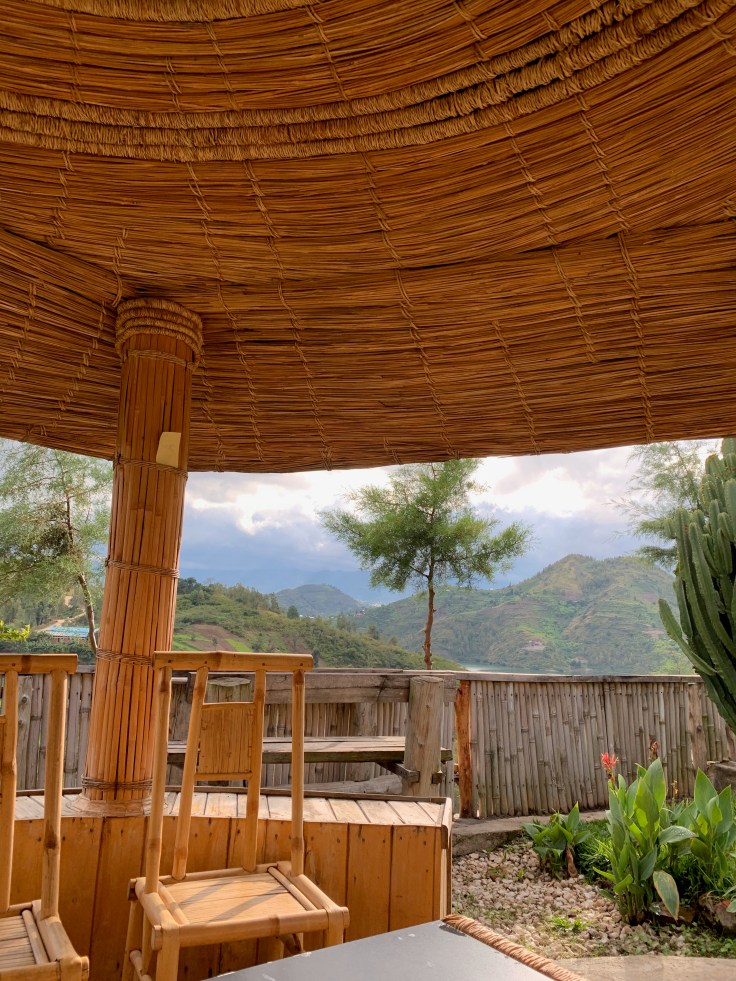
 A Boy Among 1000 Hills
Leave a comment