Oh boy, have I been busy. I’ve had a nice, long healthy streak and made sure to take full advantage given we know that parasites are as capricious as the weather. Speaking of the weather, I just want to note that it is STILL raining. As I understand it, December through the start of April are supposed to be the dry season. However that just has not happened. Being this close to the equator, it seems that even the slightest climate variations are enough to flip the seasons and create uncharacteristic and devastating weather events. I feel like every week I hear on the news of ten or so more people who have died due to flooding and housing collapse. I know that is a rather morbid way to start out this update. But as the clouds gather once again and I hear thunder off in the distance, I cannot help but think about those who will once again be caught without adequate shelter.
The effects of shifting weather patterns do not affect us as viscerally at home. But here, a flipped season means existing drown, are rotted out by growing bacteria and fungus, or are straight out washed away. Without a constant dry season, new seeds cannot be planted either. Rural Rwandans are feeling the issues right now. But come the harvest, the reverberations of a low yield will certainly be felt in the city. Just another privilege – the ability to source produce cheaply through stable trade routes – that I never really stopped to consider at home.
But between dodging rainstorms, I have actually managed to fit quite a bit in. I’ve seen another country, climbed two volcanoes, delivered two keynote lectures, written a paper, coached a number of students through data visualization practices, and had far more surprise meetings than I ever expected to have. The day I arrived at the University and my research collaborators decided we should storm the National Institute of Statistics, call a spur of the moment meeting, and present our work to lots of top government officials was a bit more of a surprise than I bargained for. But hey, adaptability, right? The short of it is –– ive been having quite a bit of fun.
Anyway, i’ve given a few teasers of this via social media already. So I guess I should come out and say it. Two weeks ago took me to somewhere that, before I started living here I never thought I would end up – the Kivu region of the Democratic Republic of the Congo. Most of my time, I spent in the Virunga national park. Now, I understand what a lot of people think when they hear that locale – revolution, guerrillas (and gorillas!), Ebola – basically, lots of scary things. And that is fair. If I only listened to what makes it into Western news about that region, I am sure those would be the only things I could pull to mind as well. Luckily, I do live very close to there and have exposure to all the positives of Goma as well. That said, I am not going to pretend that the region I entered is safe. Doing that would be exceedingly naive and, from my perspective, disrespectful to very difficult experience of people who do not have the option to skip back across the border to Rwanda like I did.
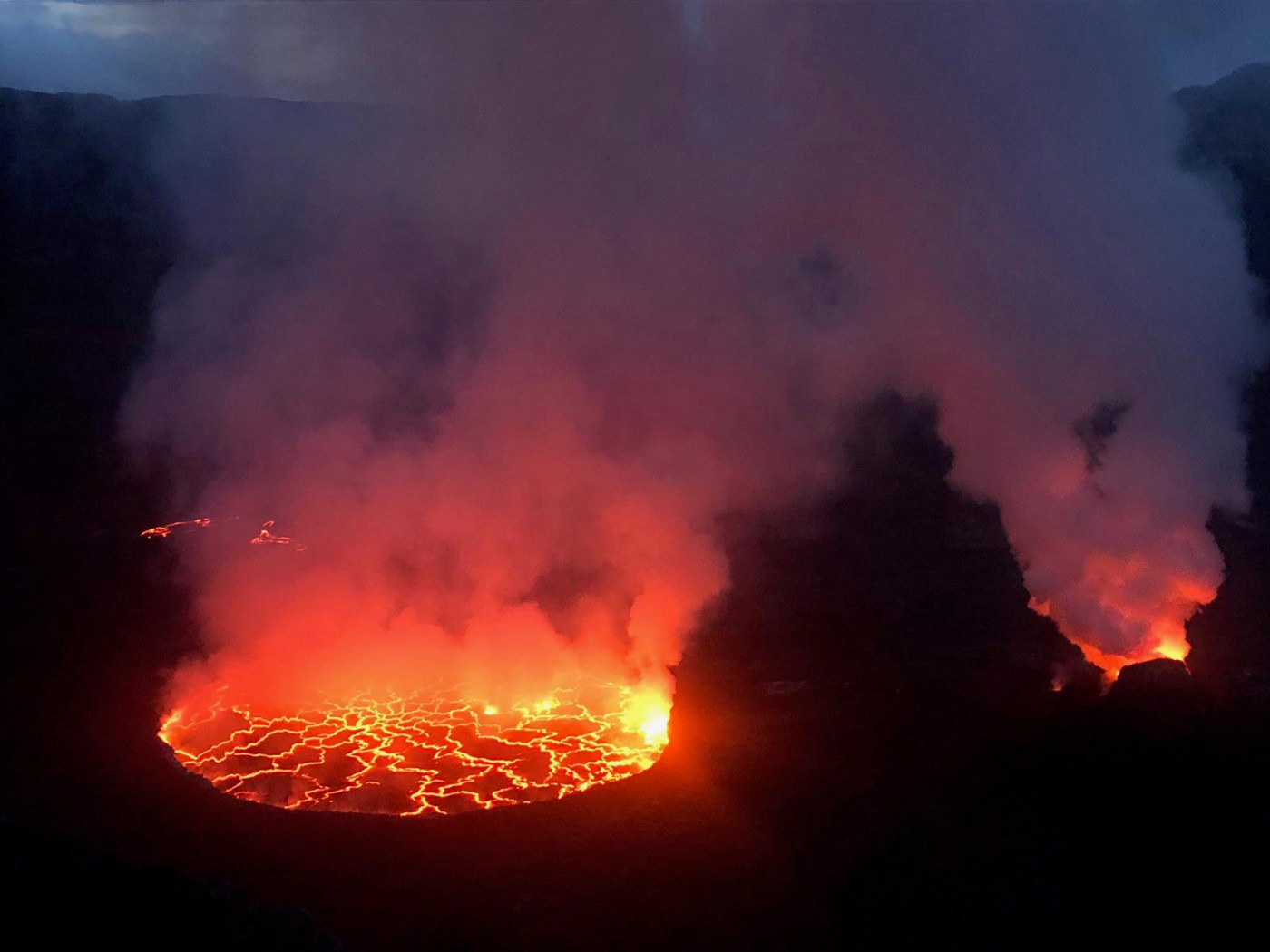
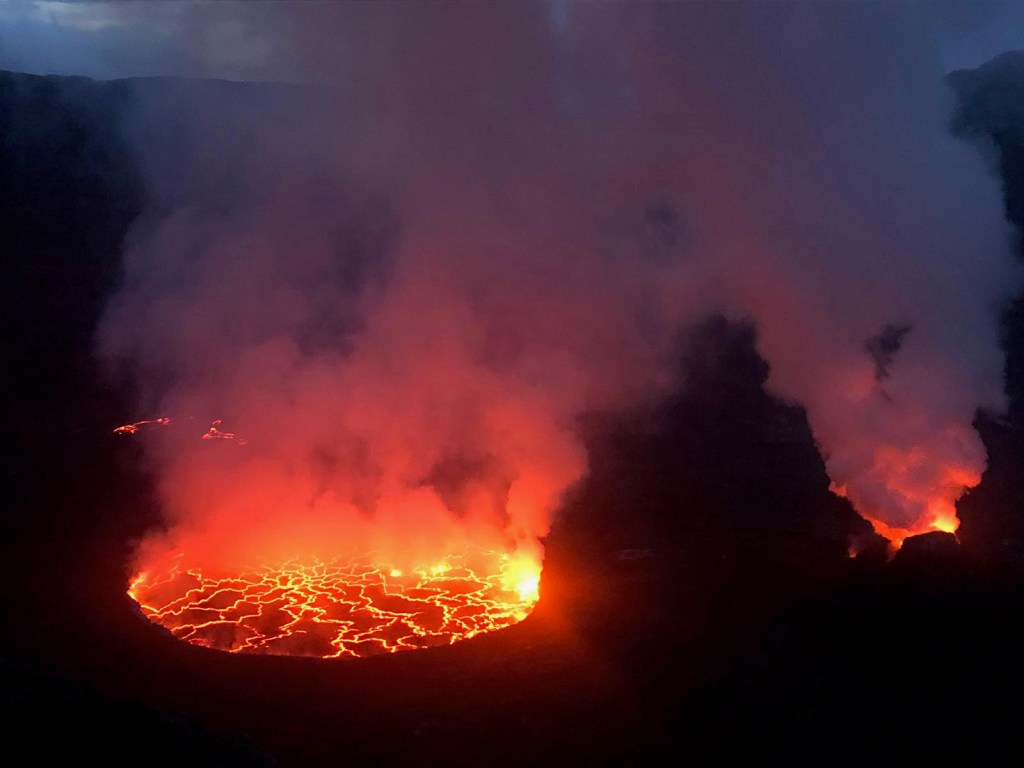
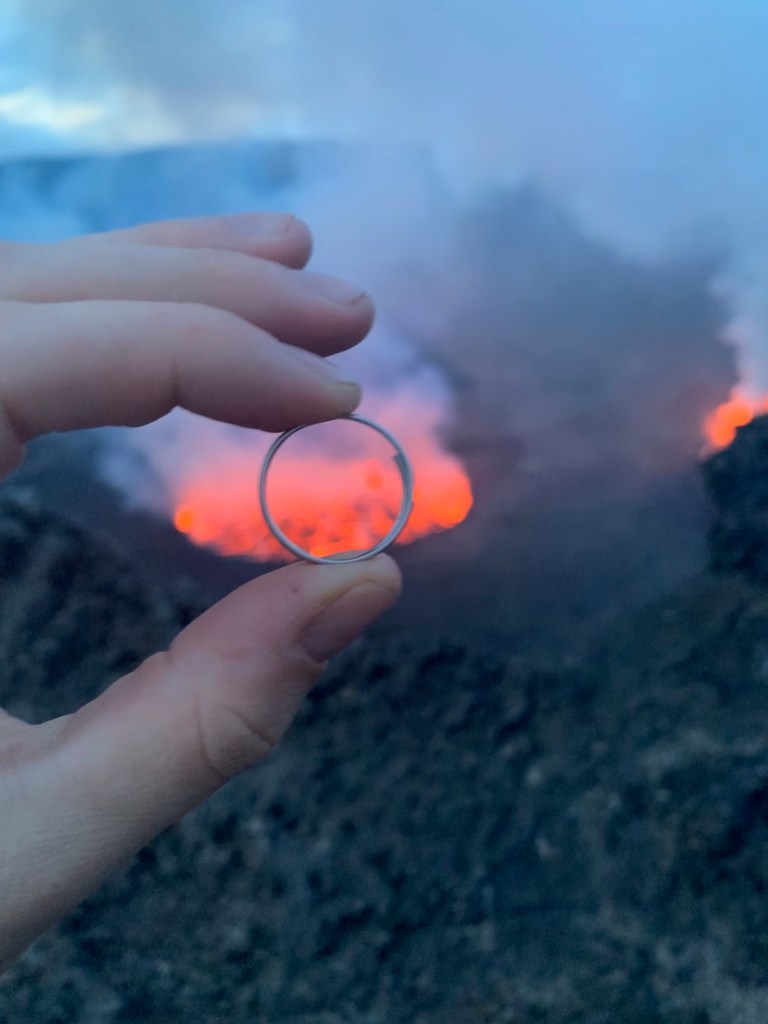
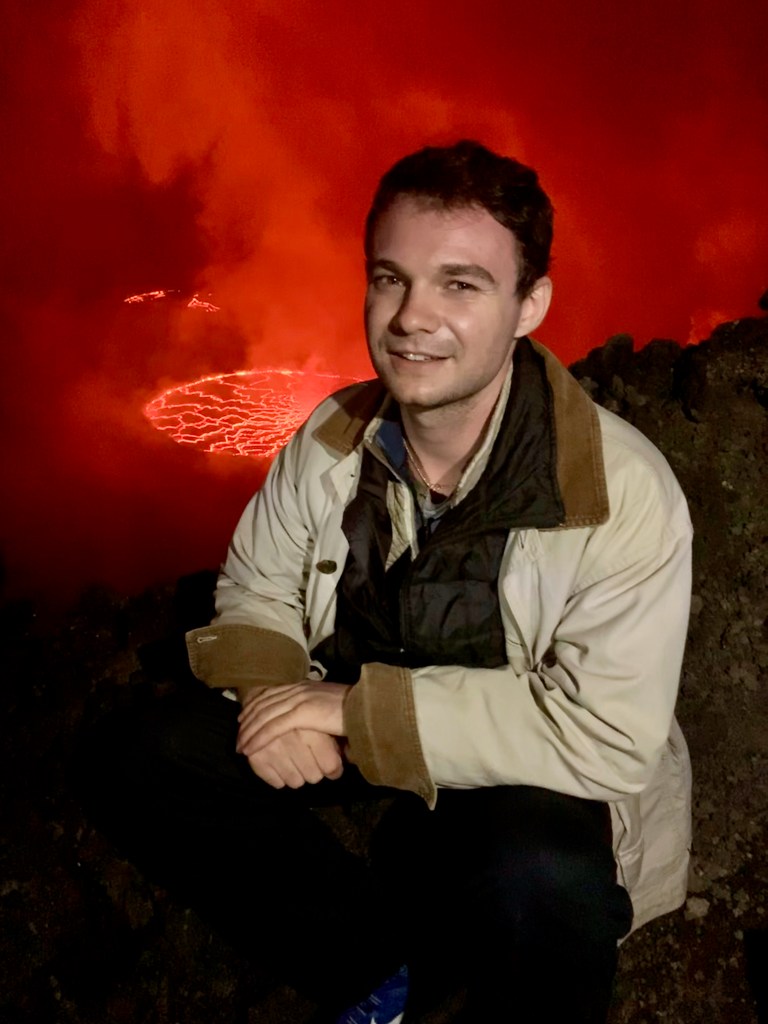
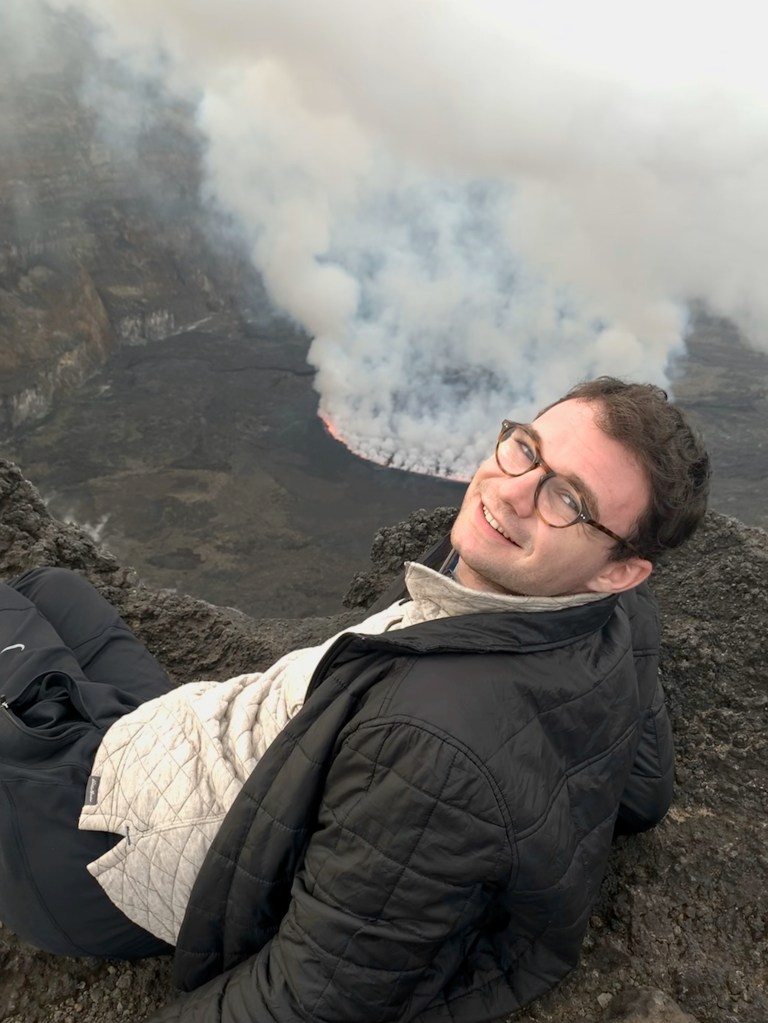
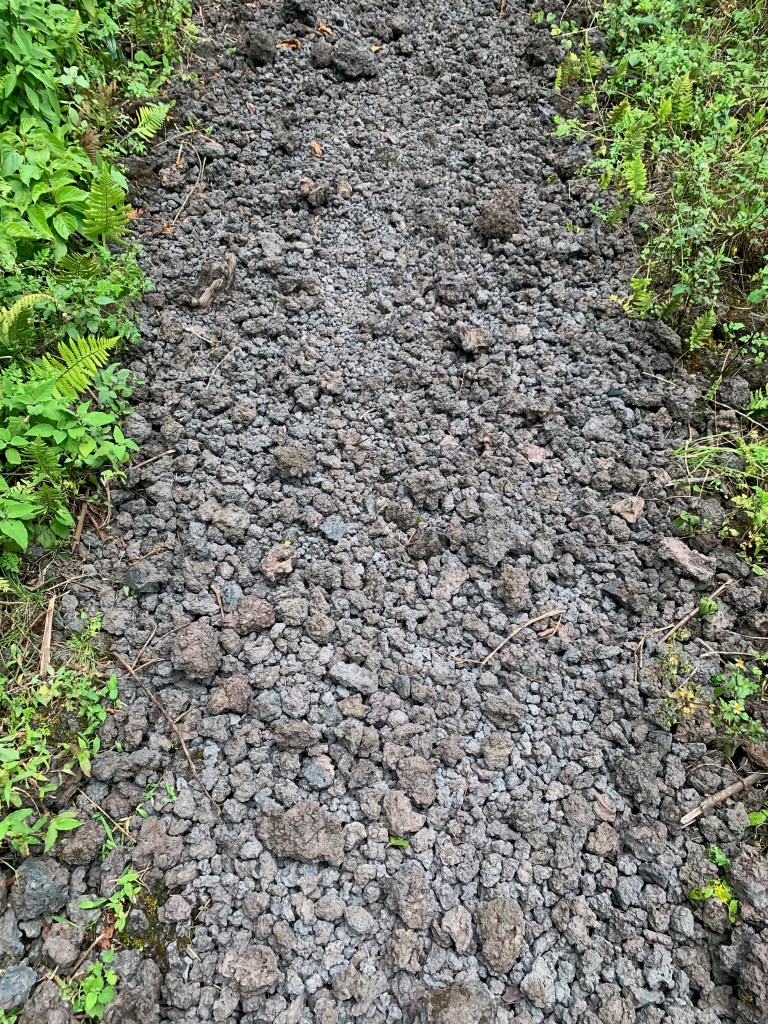
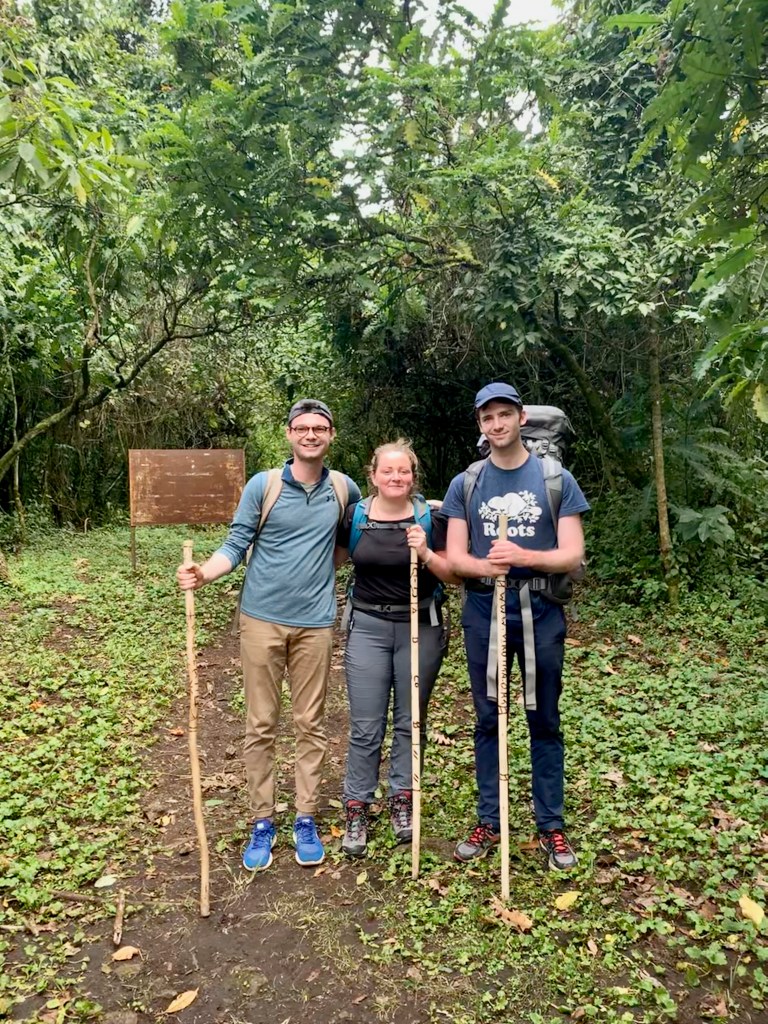
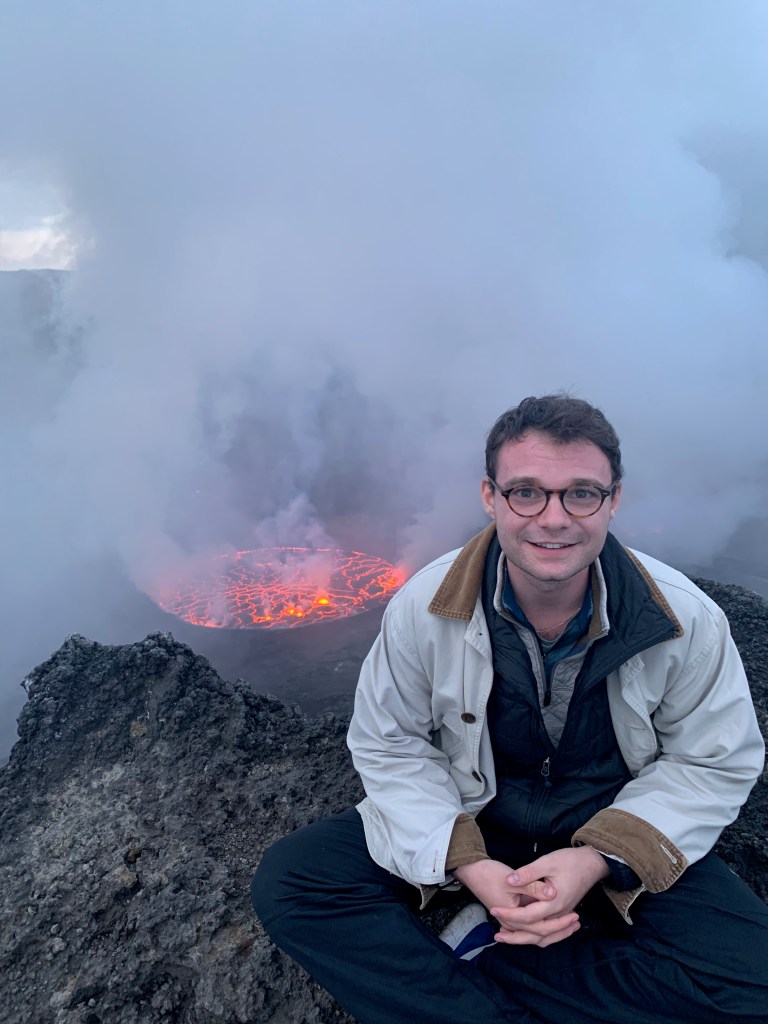
I went specifically to hike Nyiragongo, an active volcano with the largest lava lake on earth. Hiking in that region had been closed off to visitors for a year and was re-opened in mid 2019. Honestly, no one is quite sure how long the volcano will last or how long the rangers will be able to hold control of the park, so it is very humbling to think that I may be one of a very small group of people globally (maybe less than 10,000) who ever get to see the volcano in all of its glory. My hiking buddies and I left Kigali on a friday, spent the evening in the border town of Gisenyi, crossed into DRC early Saturday morning, and were hiking up Nyiragongo by 10 AM. The trek was not the most difficult I’ve done. Sure, it is challenging. The altitude can cause some difficulty. But you have all day to reach the top if you need it. It took us about 5 hours going at a very generous pace. That night, we camped at the top, watching the lava burn hypnotically all evening while we sipped tea and prepared the meal our housekeeper in Kigali had so lovingly prepared for our trek. We were back down the mountain and across the border into Rwanda by 1pm on Sunday.
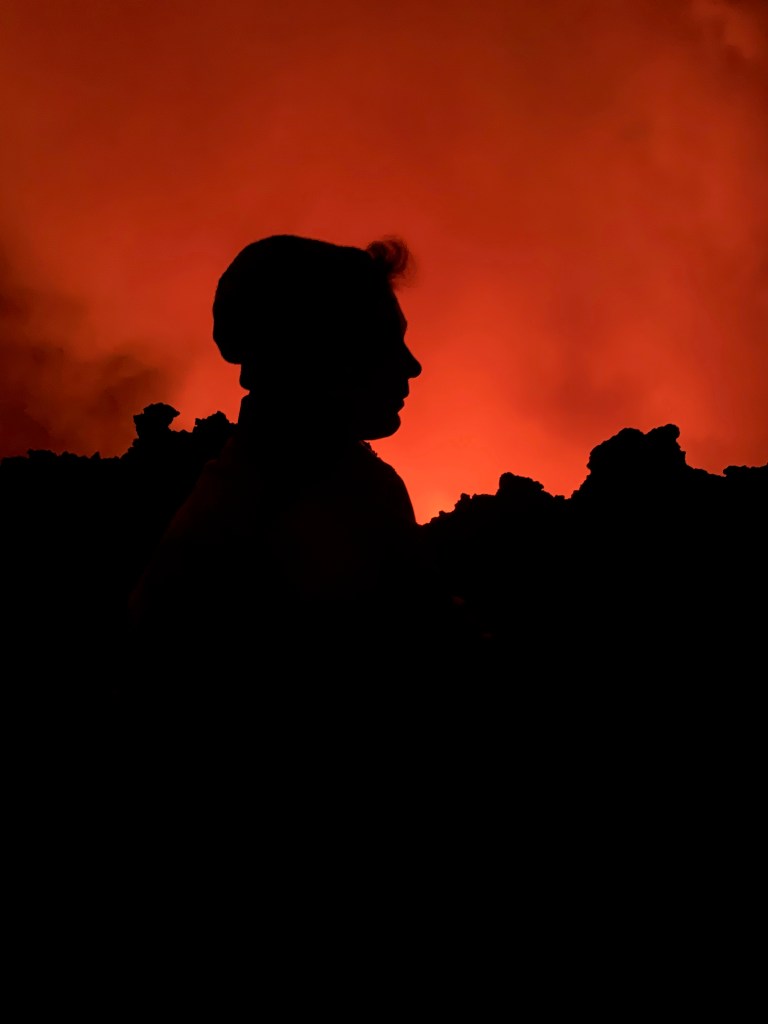
The above description is terse, I know. But I do not quite think I could capture the majesty of the experience if I even tried. The regions is so lush yet stark. I’ve seen natural colors so vivid and landscape so breathtaking that I am not sure I can say anything other beyond that the lava was red and the sky was purple and the forests green. But all those color had such layer and movement and depth to them that the objects were not colored red or purple or green at all – they were red and purple and green in their essence. Maybe that is weird. It sounds weird to read even as I type. But I am at a bit of a loss, and so you will have to bear with me here.
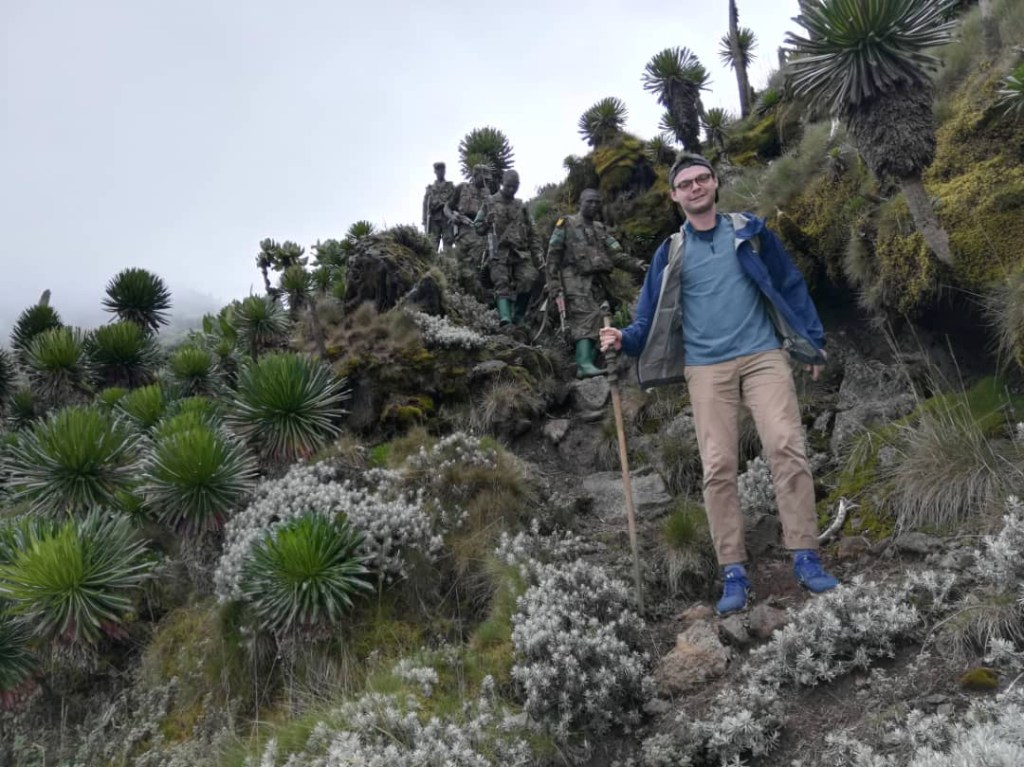
As I shared on Facebook after I got back, the Democratic Republic of the Congo, specifically the North Kivu region, is not everyone’s idea of a destination weekend. And I have to admit that I had a hefty amount of trepidation headed in. Unfortunately, for me, the trip was not a story of shattered perceptions — the armed escort from the border to the national park and the rifled-rangers patrolling the Virunga were an ever present reminder that the region we entered is still very much at war. But it is a story of respect and gratitude for park rangers who risk their lives to guard what they believe is too beautiful to face destruction.The people of the Kivu region have been dealt a tough hand — Nyiragongo’s 2002 eruption, Ebola, and more than 20 years of continued revolution — all while foreign (including US) exploitation of the Congo’s resources continues to destabilize the region. And yet the Rangers of Virunga battle on to protect some of the world’s greatest natural treasures — Nyirangongo, the 80 remaining Mountain Gorillas, and the Virunga themselves. 176 of these brave men and women have died in the past 20 years safeguarding the park. So while I count myself lucky to have caught the right window to see a sight not many more may have a chance to see, I take far more than beautiful pictures from the Virunga. I take what it means to love a place to a point of sacrifice, I take a tangible measure of how privileged I am to live in the security of stable government, I take gratitude that rangers so fervently find the park worth saving, and I take a deep feeling that the world is not as it should be — that I should not be able to steal the beauty of the trek then skirt back to safety while those born in the volcano’s shadow are sure to never leave. If you would like to learn more about the Virunga and the rangers, I would love to point you to resources. Because the views are as stark as the situation, and the view from Nyiragongo is one I could never forget.
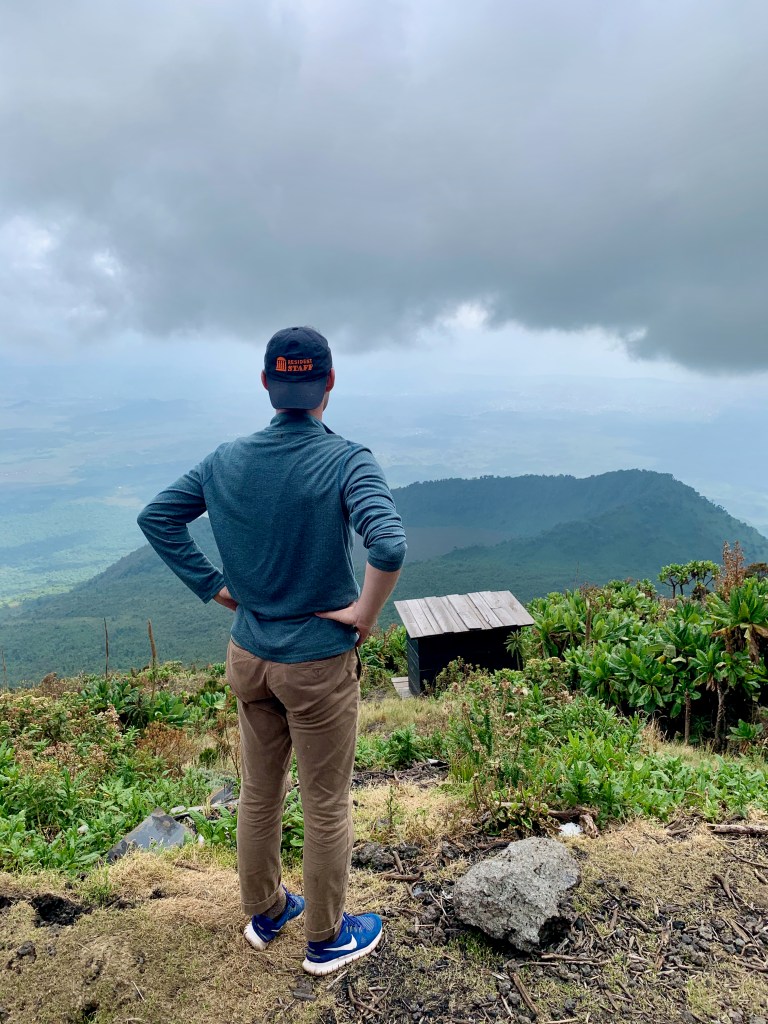
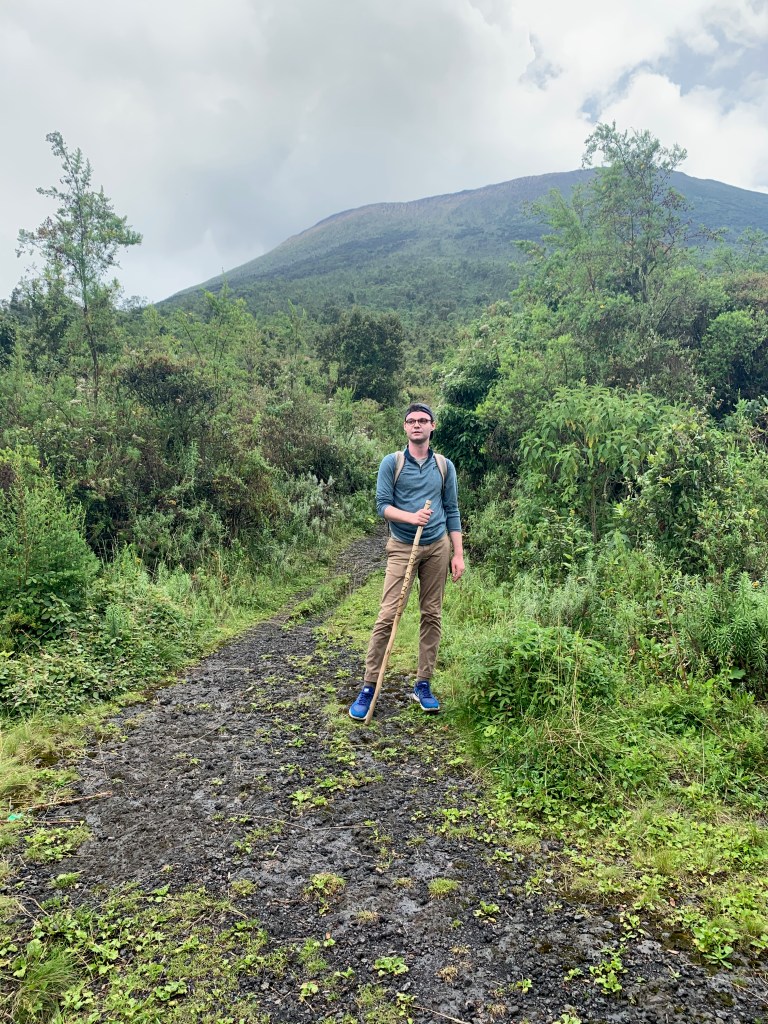
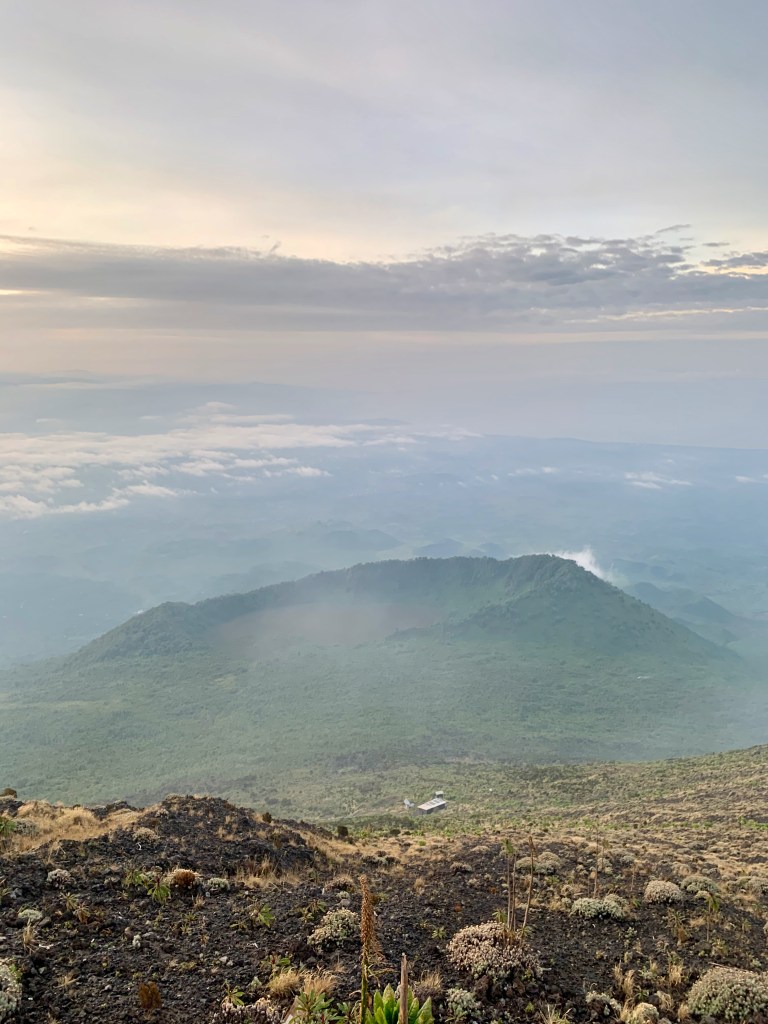
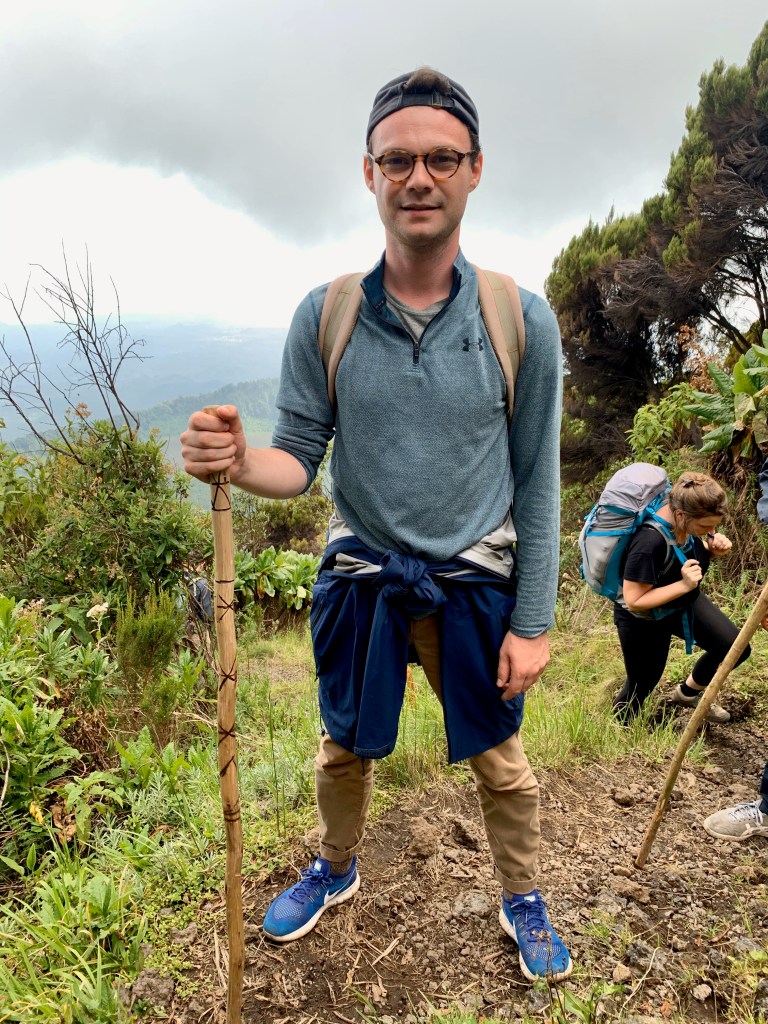
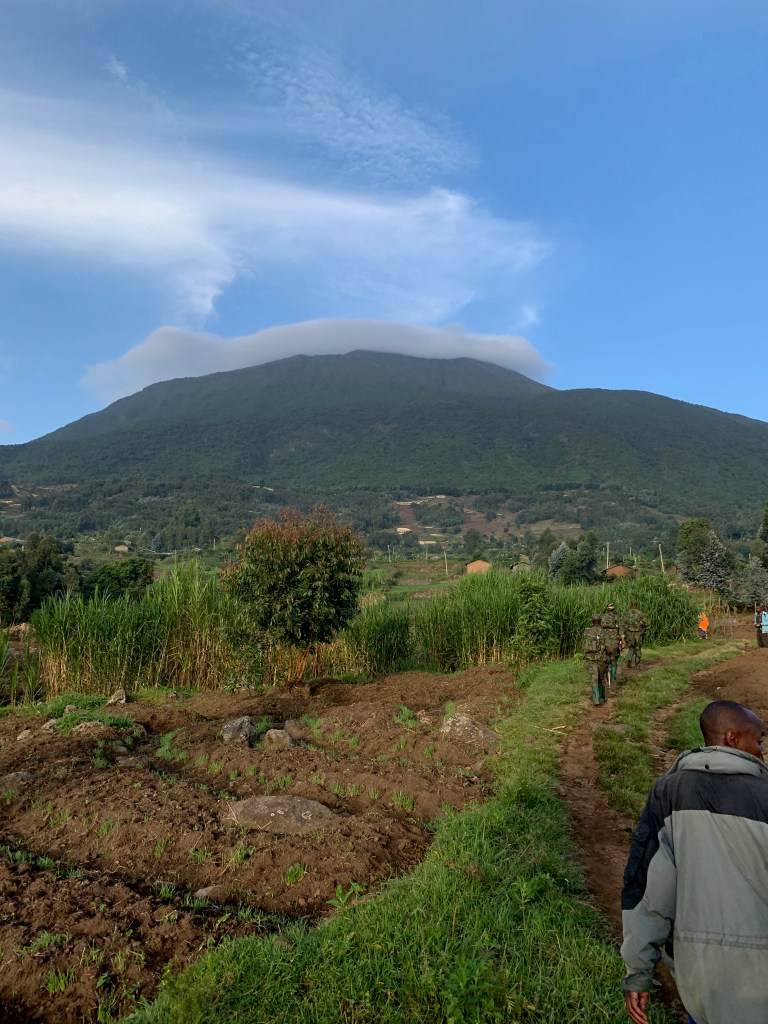
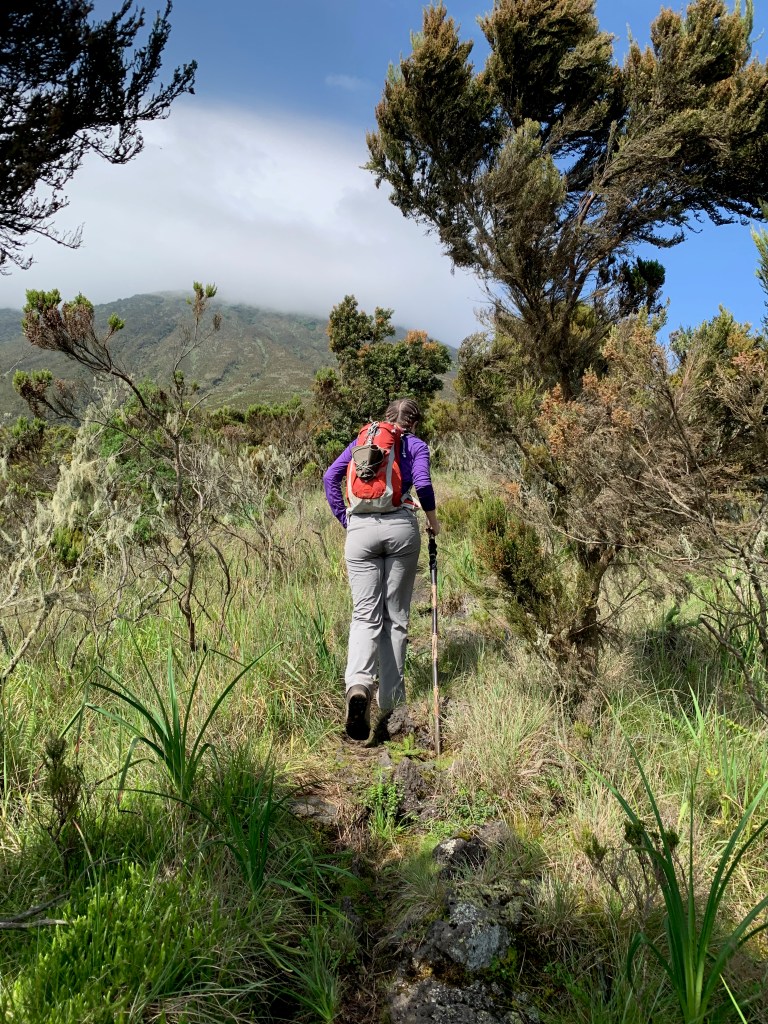
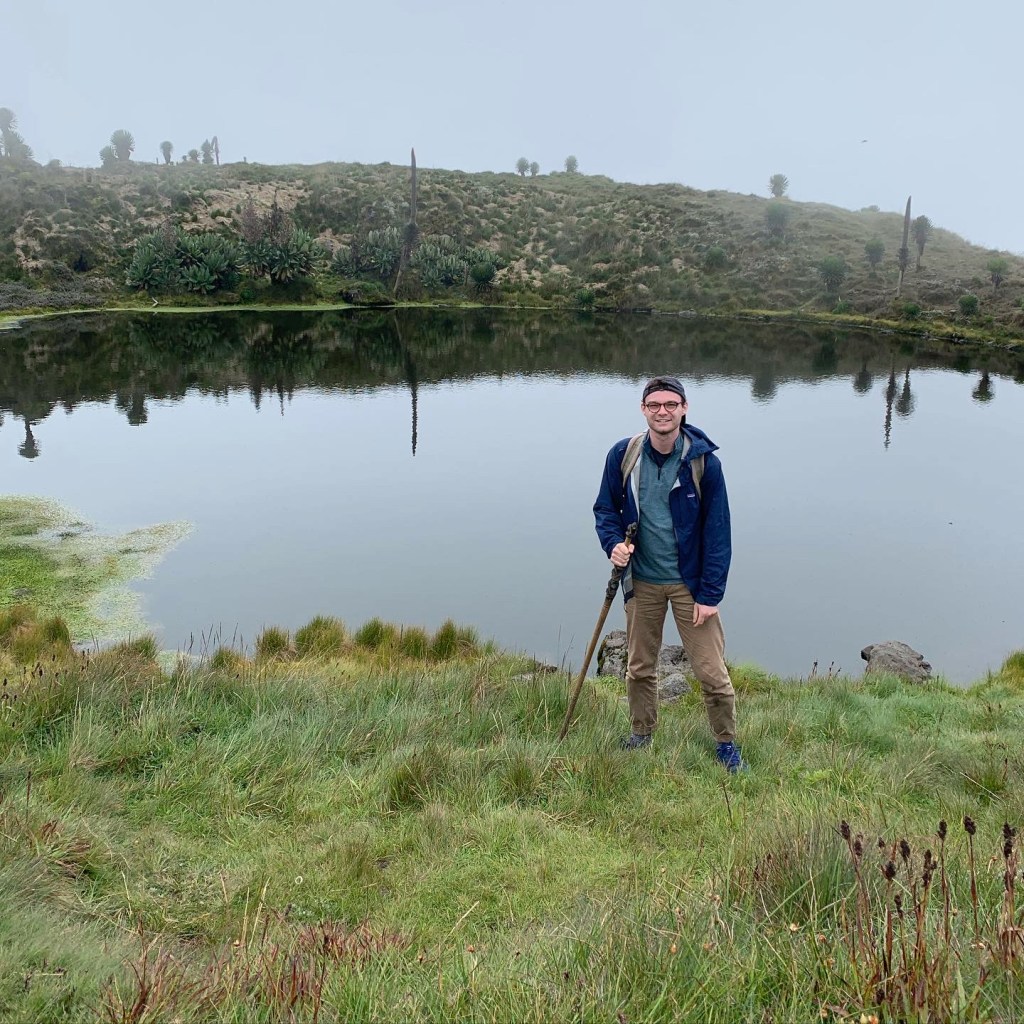
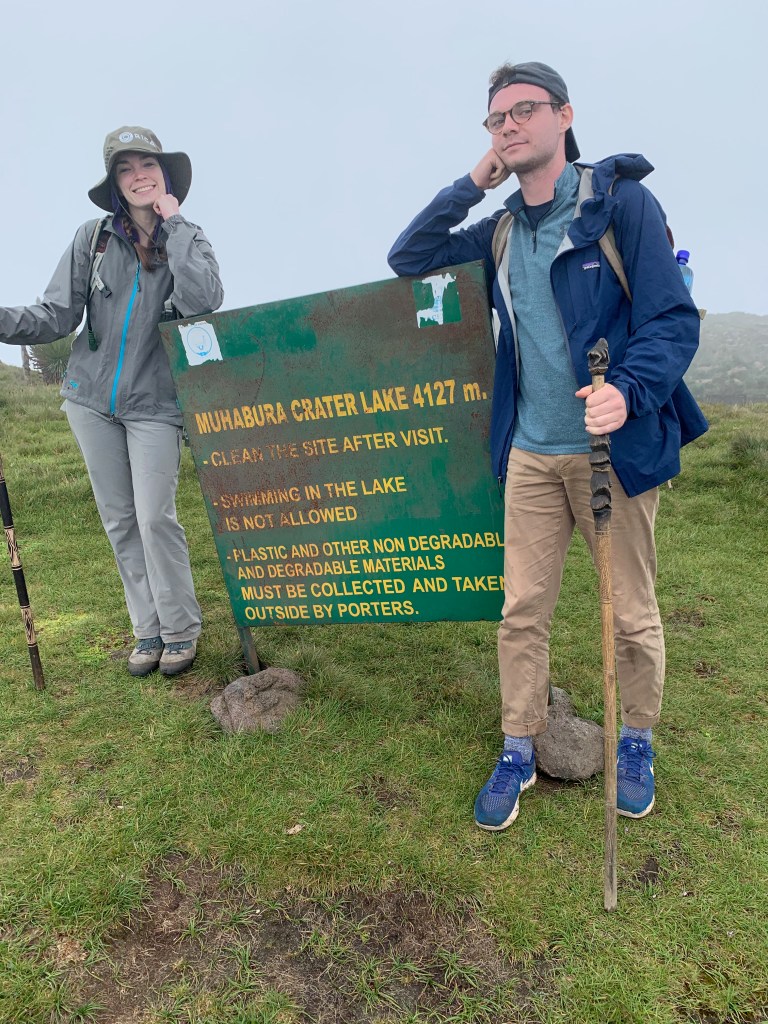
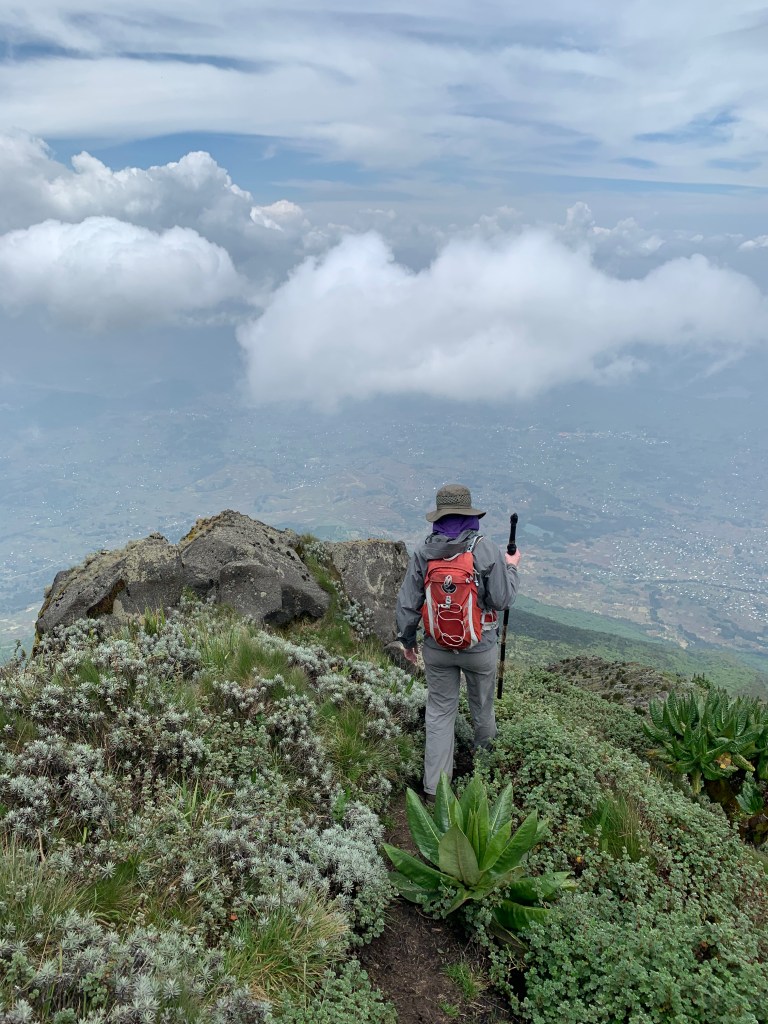
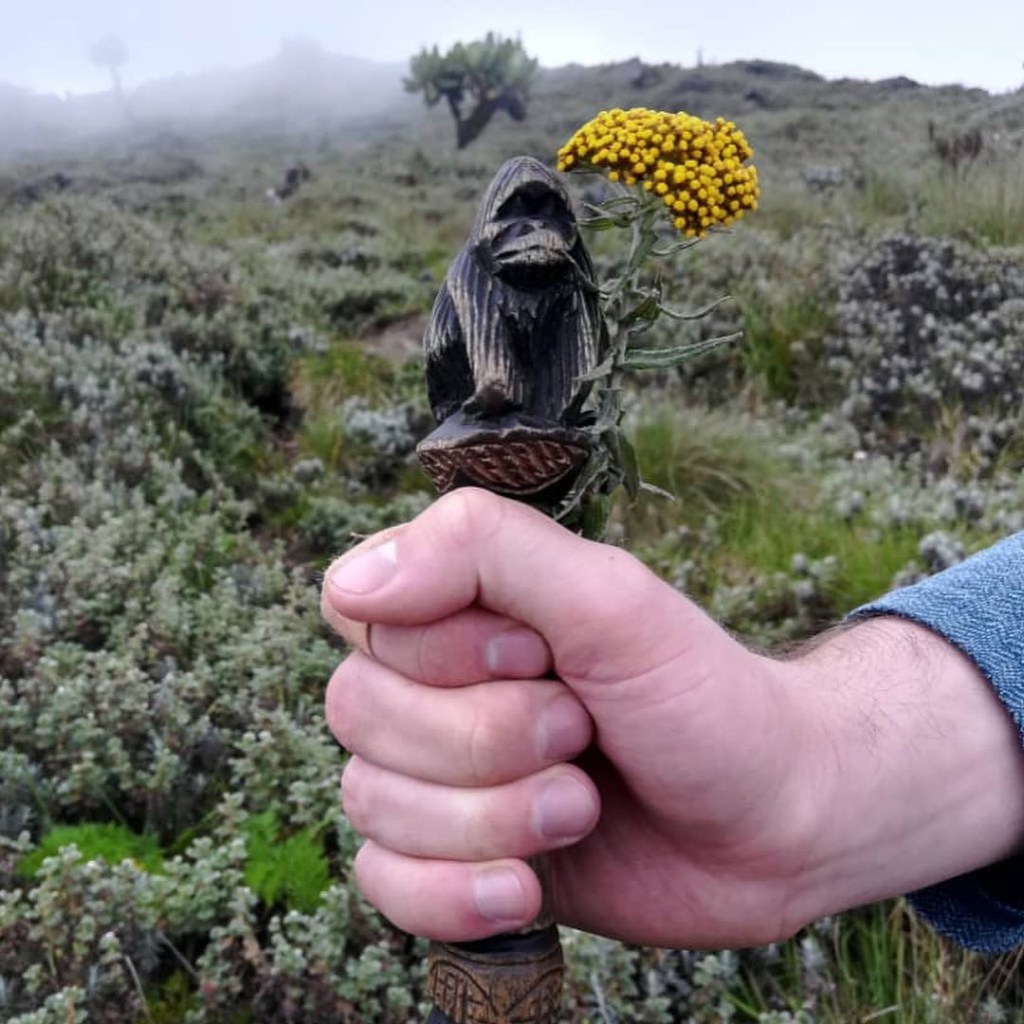
The week after, I saw a very different type of lake from the top of a very different volcano. Muhabura, also in the Virunga range, is at the border of Rwanda and Uganda. You can hike it from either side. But since I dont relish unnecessary border crossings, and I happen to like Musanze (the Rwandan city where you stay before and after), we chose to hike it from the Rwanda side. Unlike Nyiragongo, Muhabura is HARD. Its peak sits at 4127m. The vertical ascent from the base is about a mile. And it is considered one of the more difficult, although lesser known, hikes on the African continent. Basically, the entire trail is straight up. The elevation change is intense – I was a bit loopy towards the top. And the descent is no nicer – it is so steep that you have to concentrate on every step else you will fall down the trail.
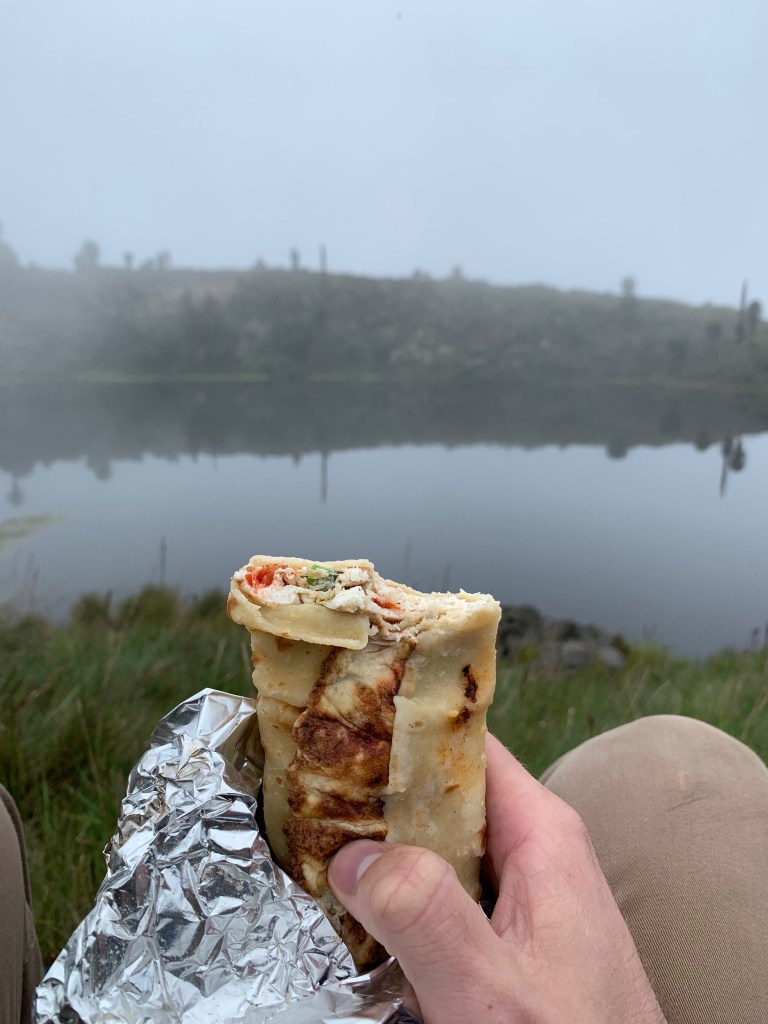
A few years ago, they used to lead a two day hiking trip up to the top. You would climb for about five hours, camp, summit the next morning, then hike down. Unfortunately, they have since changed that to a single day trek. If I am being honest, my legs very much dislike their decision. That said, the top has a gorgeous crater lake. And while being above pretty much every cloud severely limits your visibility, the views of lakes Burera and Ruhondo are quite stunning. But even the enjoyable experience of eating a rolex next to a lake at 4127 meters was not quite enough to make me ever want to do do that 9 hour grueling trek again. But I am glad I did it. Although, setting my alarm to 5:20 PM instead of 5:20 AM meant I didn’t quite have time to throw sunscreen in my pack in the five minutes I had before our ride took us to the trailhead. And I certainly have been paying for that mistake all this week.
Welp. Its finally stopped pouring. And I think I may have overstayed my welcome in the Marriott Lobby (the only place remaining in the city that has good enough wifi to support me accessing WordPress). So I guess I should wrap this up. But two of my best friends will be landing in Kigali in about 24 hours and I will be taking some time off of my research to take them around the country (yes, I will drag them up another volcano). So I look forward to updating you again soon. Until next time!
 A Boy Among 1000 Hills
Leave a comment